Introduction
As in-vehicle electronic devices continue to increase, a single USB port can no longer meet multi-device connection needs. Automotive USB hubs have therefore become essential for expanding interfaces and improving in-car convenience.
The performance and reliability of an automotive USB hub depend on its core USB hub controller. Unlike consumer-grade products, automotive chips must meet strict requirements for temperature range, electromagnetic immunity, and automotive standards such as AEC-Q100, while ensuring stable high-speed data transmission and safety protection.
Selecting the right automotive USB hub controller is crucial for system reliability and user experience. This article highlights key considerations and recommends proven automotive-grade USB hub solutions.
USB Introduction and Development
USB (Universal Serial Bus) is a standard interface designed by multiple companies to simplify peripheral-to-host connections. Its key features include:
Hot-plug and Plug-and-Play: Devices can be connected or removed while running.
Unified Standard: Compatible across different USB devices.
Multi-Device Support: Up to 127 devices can be connected simultaneously.
Power Supply: Provides 5V power to connected devices.
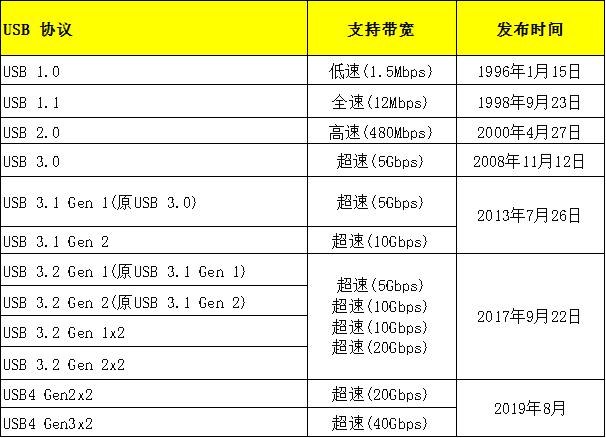
USB Development History:
A USB HUB works in a tree-like structure. The Root Hub connects directly to the host and manages peripheral connections. External Hubs connect to the Root Hub or other hubs to expand USB ports.
Protocol Support:
USB 2.0 Hub: Supports USB 1.1 and 2.0 devices, with a maximum speed of 480 Mbps.
USB 3.0 Hub: Supports USB 3.0 devices, up to 5 Gbps, and is backward compatible with USB 2.0.
USB 3.1/3.2 Hub: Supports higher speeds, up to 10 Gbps or more.
Internal Structure of USB HUB:
Upstream Port (UFP): Connects to the host or an upper-level hub.
Downstream Port (DFP): Connects to lower-level devices or hubs, expanding available interfaces.
Repeater: Forwards data between upstream and downstream ports when speeds match.
Transaction Translator (TT): Handles USB SPLIT transactions, separating low/full-speed data from high-speed transfer to improve bus efficiency.
Controller: The hub’s core, managing status and communication.
Routing Logic: Directs data to the correct downstream ports.
USB HUB Operation – Enumeration
When a device connects, the hub detects it and notifies the host. The host reads the device descriptor, assigns an address, and loads the driver, enabling normal operation.
Key Features:
Port Expansion: USB Hubs expand the number of USB ports. Each downstream port can connect to a device or another hub, with a maximum of 127 devices per USB system.
Power Management: Hubs provide power to connected devices.
Signal Relay: Hubs extend USB connection distance. A single device supports up to 5 meters, but using up to 5 hubs in series, the distance can reach 25 meters.
USB HUB in Automotive Applications
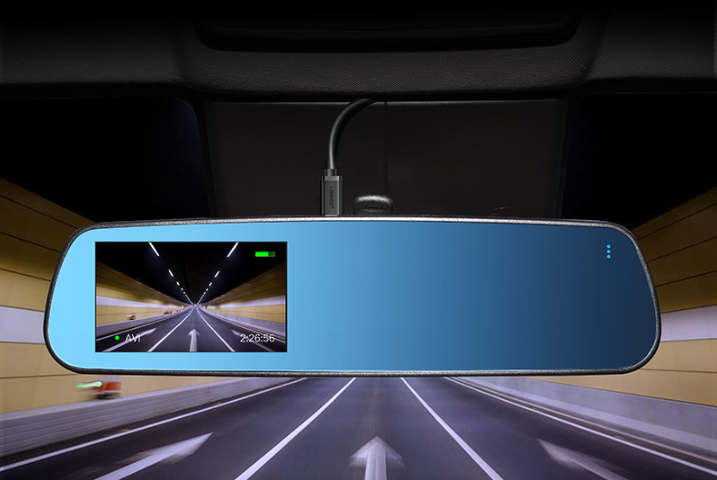
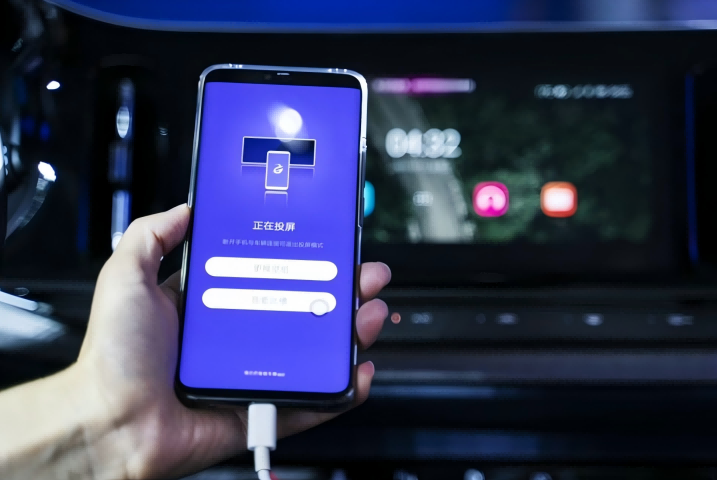
USB 2.0 Hubs in vehicles connect multiple devices for data transfer and sharing, using USB 2.0’s high-speed capability (up to 480 Mbps) for efficient communication. They expand in-car entertainment by supporting USB drives, external storage, and media playback. Additionally, USB Hubs can enable seamless smartphone integration via protocols like CarPlay, CarLife, and HiCar.
|
|
Injoinic | IP3622_Q1
Features:
1.AEC-Q100 Certified
Grade 2: -40℃ ~ +105℃
2.USB 2.0 Compliance
Upstream port: high-speed & full-speed
4 downstream ports: high-, full-, and low-speed
1 control + 1 interrupt pipe
Backward compatible with USB 1.1
3.Power & Charging
USB 2.0 LPM L0/L2 modes
BC1.2 CDP/DCP charging
OTG support
USB-to-I²C/SPI/UART/GPIO bridge
Type-C with 2 source ports & VBUS discharge
4.Configurable
EFUSE & external EEPROM
SPI flash boot support
5.Lower BOM Cost
Single 12 MHz crystal
Built-in upstream 1.5 kΩ pull-up, downstream 15 kΩ pull-down
Integrated 5V→3.3V & 3.3V→1.2V regulators
Package: 6×6 mm QFN48
IP3622_Q1 supports CarPlay, CarLife, and HiCar, expands USB 1-to-4, and enables fast PD charging (default 5V/3A) while transferring data.
IP3622_Q1 supports CarPlay, CarLife, and HiCar, expands USB 1-to-4, and enables fast PD charging (default 5V/3A) while transferring data.
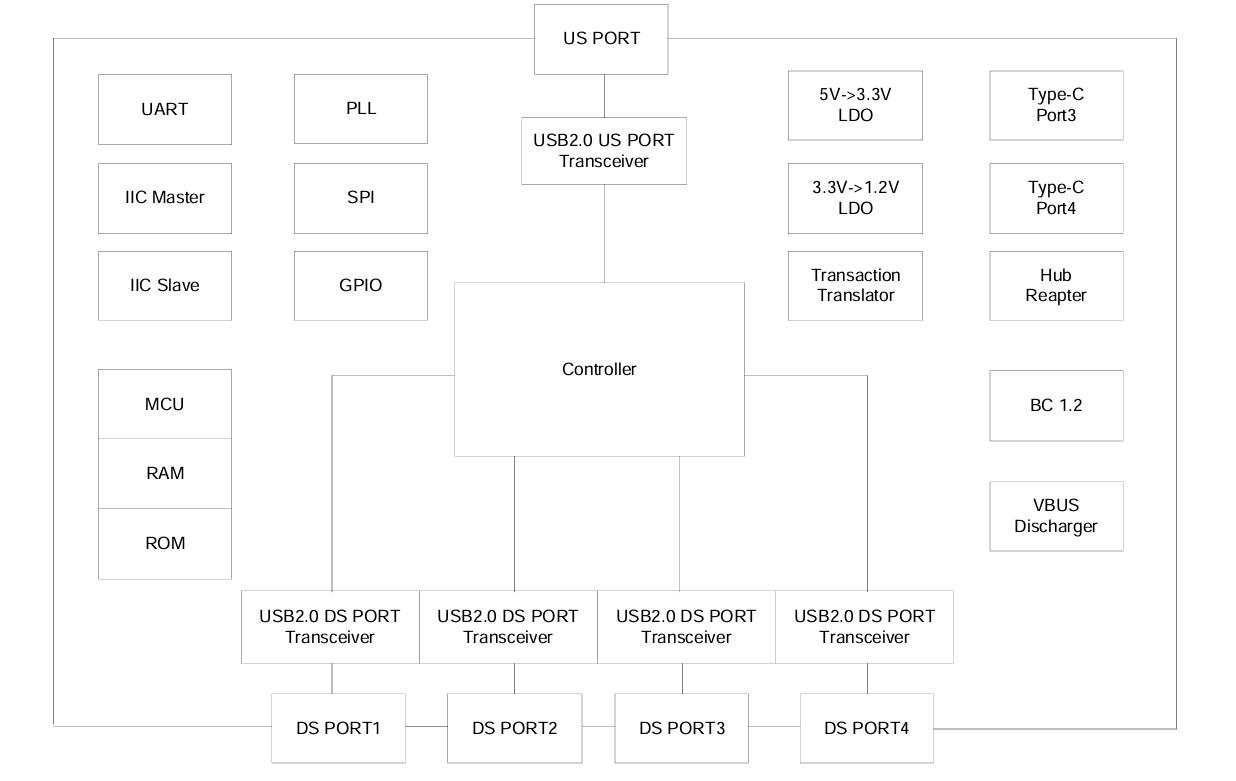
Features & Product Overview
The IP3622_Q1 is the first USB 2.0 in-car HUB chip launched in mainland China. As a key product for Injoinic, it supports a wide range of applications and offers excellent performance and features, as detailed below:
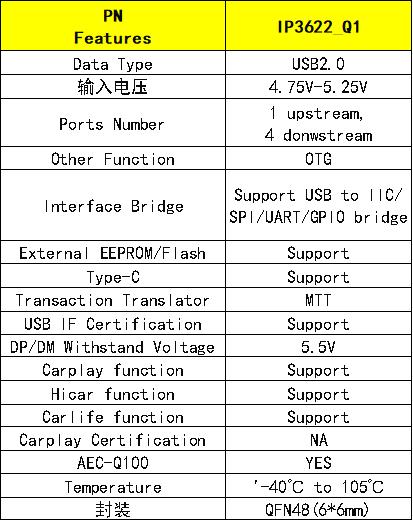
The physical image is shown below:
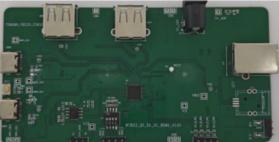
Physical Image of IP3622 Demo
Conclusion
Selecting an in-car USB HUB involves speed, compatibility, safety, reliability, and cost. With smarter cars, demand for connected devices grows. Future HUBs will be faster, more compatible, smarter, and smaller, while domestic chips gain a stronger role with better technology and cost advantages.
Injoinic — The IP3622_Q1 is now in mass production. For questions or more info on in-car USB HUB solutions, follow our official account or leave a message.
 Wechat
 销售在线
销售在线 联系电话
联系电话